 Province Permanently Closing Fisherman’s Life Museum:
Cuts for All Arts, Culture, and Heritage Organizations
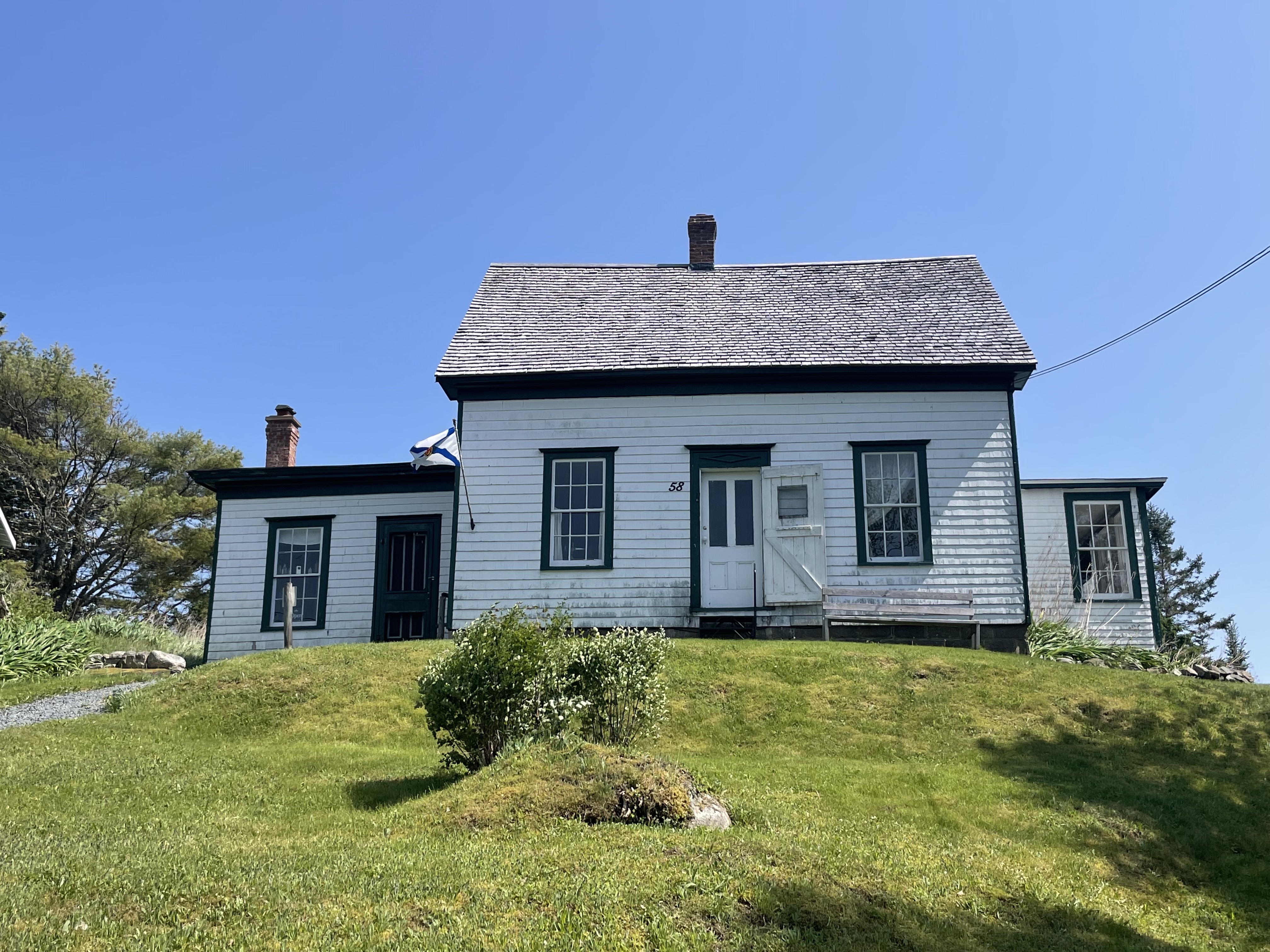
The province is permanently closing one of the Eastern Shore’s most beloved tourist attractions, the Fisherman’s Life Museum in Oyster Pond. The March issue of the Cooperator went to press just after this provincial announcement, one of many drastic budget cuts in the newly announced provincial budget. There is no information available at this point about how the province intends to handle the closing of this museum, and eleven other similar small museums elsewhere in the provinces that are being terminated.
The province is making a $14 million cut to discretionary funding within Communities, Culture, Tourism and Heritage (CCTH). This cut will affect grant programs and operational funding for all the province’s arts, culture, and heritage organizations.
The impact of this cut depends on the type of museum. Of 150 museums, including the Maritime Museum, Museum of Natural Science and the like, there are 28 smaller museums in the province that are owned and funded by the province, including Fisherman’s Life and the other museums being closed. There are also, of the 150, some 70 community-owned museums, including Heritage Village and the Railway Museum, that get some operating funding from the province under CMAP (Community Museum Assistance Program). The budget cuts these CMAP funds by 20%. The Railway Museum received $7,000 from CMAP last year, so the grant this year will be $5,600. These cuts will strain the budgets of all 70 of the community-owned museums.
In a February 24 email from its Board of Directors, the Lake Charlotte Area Heritage Society that owns and operates Memory Lane Heritage Village and the Eastern Shore Archives said that it was “deeply concerned about the impacts that these decisions will have…. We are saddened by this news, as we share the same values of preserving the heritage of the Eastern Shore for future generations… At this time, we are still processing the news and attempting to understand the impacts this could have upon the heritage assets held in trust for you by the museum community.”
The province has also killed the Fisherman’s Life Museum webpage. Google still has a listing, but clicking on the link goes to the Nova Scotia Museum page. There is no longer a marker for the museum on the NSM map. So there is no information there about how the province plans to handle the shut-down of the museum. The house itself is full of artifacts demonstrating what life in a fishing family was like in the early part of the 20th century. The province owns all the artifacts in the building. The province is legally responsible for maintaining them intact, either by safe storage, by distributing to other museums, or by de-acquisitioning. In the meantime, we presume that the province will keep the house heated to protect these valuable artifacts.
Can The Community Take Over?
A source familiar with the workings of the province’s management of provincially owned museums told the Cooperator that it is still possible for an organized group of concerned citizens to negotiate with the province to take ownership of the museum. We have asked the province for a copy of the museum’s operating budget for the most recent fiscal year, so that everyone can understand what kind of community-based fundraising would be necessary.
In the meantime, people are using social media to express their dismay and anger over this announcement. There is already a call for a community gathering on the site at 1 PM on February 28th. Greg Puncher, a grandson of Ervin Myers, has a moving series of videos on his Facebook page about his family’s history with the site. He walks through the snow to show the house and the fishing shack on Navy Pool
Quick History
The museum recently re-opened after being closed for several years for renovations. Ervin Myers, a second-generation inshore fisherman, inherited the house and 8 acres of property in 1915. He and his wife Ethelda went on to raise their 13 daughters in the house (although all 13 were never in the house at once.)
In addition to the house and its furnishings, visitors also got to see the farm outbuildings, vegetable gardens, and the fish shed and dock. The staff often welcomed people into the house with fresh-baked cookies and held occasional fairs on the lawn with local vendors.
